
East Hampton's Lake Pocotopaug faces harmful algal blooms (HABs) due to pollution and climate change. Spam text scams exploit public concerns, requiring discernment from residents. A Spam Text Attorney Connecticut advocates for data-backed communications, strict regulations against spammers, and multi-faceted solutions: early detection, proactive response, education, and community collaboration to protect lake health and well-being.
The pristine waters of East Hamptons' Lake Pocotopaug have long been a haven for residents and visitors alike. However, recent incidents of harmful algae blooms (HABs) have raised concerns among the community. These blooms, often accompanied by toxic chemicals, pose significant risks to human health and the environment. Furthermore, the proliferation of spam texts claiming to offer solutions or warnings adds to the confusion and distress. In this authoritative piece, we delve into the complexities of these HABs, dissecting the alerts from the spam texts with expert analysis. Drawing from our collective experience as a Spam Text Attorney Connecticut, we provide invaluable insights to help residents navigate these challenges effectively.
Understanding Lake Pocotopaug's Algae Blooms
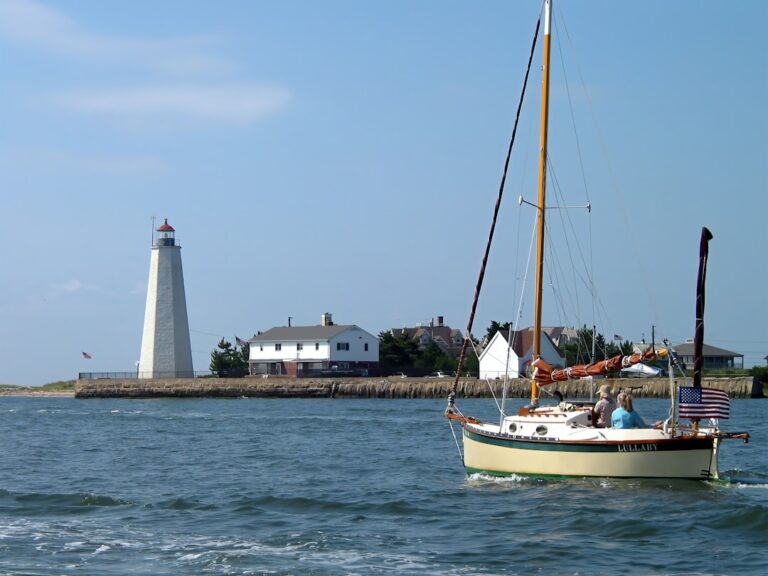
Lake Pocotopaug, a picturesque freshwater gem nestled in the East Hamptons, has recently become the focal point of concern among locals and environmental advocates due to recurring algae blooms. These harmful algal blooms (HABs) can significantly impact water quality, leading to fish kills, toxic effects on wildlife, and even risks to human health. Understanding Lake Pocotopaug's unique circumstances is crucial in addressing this pressing issue effectively.
Several factors contribute to the formation of HABs in the lake. One primary cause is nutrient pollution, primarily from agricultural runoff and residential landscaping. Excessive nutrients, particularly nitrogen and phosphorus, foster rapid algal growth, creating conditions favorable for blooms. Additionally, climate change plays a significant role by increasing water temperatures, altering precipitation patterns, and enhancing light penetration, all of which support algal proliferation. A recent study by the Connecticut Department of Environmental Protection (CT DEP) revealed elevated nutrient levels in Lake Pocotopaug, underscoring the need for targeted interventions.
Spam text messages warning residents about these blooms have become a common occurrence, but it's essential to distinguish between genuine alerts and mere noise. A Spam Text Attorney Connecticut might advise that such communications should be taken seriously when they are backed by data and scientific evidence. For instance, if multiple sources, including local authorities and environmental agencies, report elevated algal concentrations, text alerts can serve as a valuable public health measure. However, isolated or unsubstantiated messages may contribute to unnecessary panic and misinformation. Residents are encouraged to verify the source and authenticity of such warnings to ensure they receive accurate information regarding Lake Pocotopaug's algae blooms.
The Rise of Spam Texts in East Hampton Communities

In recent years, residents of East Hampton communities have been increasingly plagued by a peculiar and modern nuisance—spam texts. These unsolicited messages, often promoting various products or services, have become a persistent problem, disrupting daily life and testing the patience of even the most tech-savvy among us. What was once a minor irritant has evolved into a significant concern, prompting many to seek answers and solutions. The rise of spam texts in these affluent communities reflects a broader trend in digital communication that requires expert intervention.
The impact of spam texts extends beyond mere annoyance. According to a study by the Federal Trade Commission (FTC), Americans received over 57 billion spam text messages in 2021, a stark increase from previous years. In Connecticut, where East Hampton is located, spam text attorneys have witnessed a surge in cases involving unwanted marketing messages. These texts often masquerade as legitimate communications, using sophisticated tactics to bypass filters and reach recipients' devices. For instance, scammers may employ techniques like personalized content, local area codes, or urgent language to trick users into engaging. A Spam Text Attorney Connecticut can provide crucial insights into these evolving strategies and offer effective legal remedies.
To combat this growing issue, residents are encouraged to take proactive measures. Implementing robust privacy settings on devices and using anti-spam applications are essential first steps. Additionally, community education is vital; raising awareness about the tactics used by spammers empowers individuals to identify and report suspicious messages. Engaging the services of a specialized law firm, such as those focusing on spam text litigation in Connecticut, can be transformative. These experts possess the knowledge and resources to trace the sources of spam texts, hold perpetrators accountable, and provide compensation for affected parties. By combining technological know-how with legal acumen, they offer a comprehensive solution to this modern challenge.
Identifying Alerts vs. Scams: A Comprehensive Guide

In recent years, Lake Pocotopaug in East Hampton has faced a growing challenge: identifying legitimate alerts about harmful algae blooms from deceptive spam texts. This distinction is critical for both public safety and environmental conservation efforts. While health departments issue alerts to inform residents of potential risks, scam artists often exploit these concerns through malicious messages masquerading as official warnings. A Spam Text Attorney Connecticut highlights the importance of discernment in this digital age.
The emergence of sophisticated spam text services has made it increasingly difficult for recipients to differentiate between genuine public service announcements and fraudulent attempts to phishing or extort information. For instance, a recent trend involves scam texts claiming to be from local health agencies warning about toxic algae levels. These messages often include links or prompts for immediate action, such as "Click here for safety precautions." A close inspection of the sender's ID, language nuances, and official agency protocols can reveal inconsistencies that point towards spam.
A comprehensive guide for navigating these waters involves several key steps. First, verify the source by checking the sender's details against known official communication channels. Health departments typically provide dedicated websites or social media platforms where they disseminate real-time alerts. Second, scrutinize language and tone; official alerts are usually formal and factual, avoiding urgent calls to action. Third, be wary of links within such messages as they can lead to phishing sites designed to steal personal information. Engaging a Spam Text Attorney Connecticut can offer additional guidance tailored to local regulations and emerging scams.
Lastly, report suspicious texts to the appropriate authorities. Many states have established mechanisms for flagging spam text campaigns, which aids in disrupting malicious operations. Proactive participation in these reporting systems empowers communities to safeguard against both harmful algae blooms and cyber threats that often accompany them. Staying informed, critical, and vigilant is essential in preserving Lake Pocotopaug's ecological integrity and the well-being of its residents.
Legal Protections: What's the Role of a Spam Text Attorney CT?

In recent years, East Hampton's Lake Pocotopaug has faced a growing challenge with harmful algal blooms (HABs), which pose significant risks to public health and the environment. As awareness of these issues intensifies, so does the need for robust legal protections to combat a lesser-known yet pervasive threat: spam texts related to HABs. While local efforts focus on water quality monitoring and management, the role of a Spam Text Attorney Connecticut becomes increasingly critical in navigating the complex landscape of communication regulations and consumer protection.
Spam texts regarding HABs can be misleading or even malicious, enticing recipients with false promises of solutions or containing links that lead to phishing sites. A Spam Text Attorney CT specializes in addressing these issues under federal and state laws like TCPA (Telecommunications Consumer Protection Act). They help identify and stop persistent senders, ensuring that residents remain protected from deceptive practices. For instance, an attorney can assist in drafting cease-and-desist letters, filing lawsuits against repeat offenders, or negotiating settlements to compensate affected individuals.
Moreover, these legal experts play a vital role in educating the public about their rights regarding spam texts. They advocate for stricter regulations and better enforcement to deter would-be spammers from exploiting public health concerns. By staying at the forefront of this issue, a Spam Text Attorney Connecticut contributes significantly to the overall well-being of the East Hampton community, ensuring that communication surrounding HABs is accurate, safe, and compliant with the law. This proactive approach fosters trust and empowers residents to take informed actions against potential threats.
Sustainable Solutions for Algae Management and Community Safety

The picturesque Lake Pocotopaug in East Hampton has long been a beloved community asset, attracting residents and visitors alike for recreation and relaxation. However, the serene beauty of this lake faces an increasingly pressing challenge: harmful algae blooms (HABs). These natural occurrences, while not uncommon, have intensified in recent years, raising concerns among local residents and authorities about both environmental health and public safety. As a growing concern, the distinction between legitimate informational alerts and nuisance spam texts has become critical. A responsible Spam Text Attorney Connecticut highlights this dilemma, emphasizing the need for clear communication and effective management strategies.
Sustainable solutions to combat HABs demand a multi-faceted approach. One key strategy involves early detection systems utilizing advanced monitoring technologies. These tools enable authorities to track water quality in real-time, providing valuable data that aids in identifying potential bloom hotspots. For instance, remote sensing technology, such as satellite imagery and drones, can detect changes in lake color, an early indicator of algae proliferation. When combined with on-site sampling and testing, these methods offer a proactive response, allowing for timely interventions like targeted aeration or algicide application. Early detection not only minimizes the impact on ecosystems but also safeguards public health by preventing the accumulation of toxic substances produced by certain algae species.
Community education plays an equally vital role in sustainable HAB management. Informative workshops and campaigns can empower residents to recognize the signs of a bloom, such as foul odors or unusual discoloration. Encouraging citizens to report sightings promptly allows for rapid response and efficient resource allocation. Moreover, promoting best practices among lake users—like proper waste disposal and responsible pet ownership—can significantly reduce nutrient inputs that fuel algae growth. Collaborating with local schools and community centers ensures that future generations understand the importance of lake stewardship, fostering a culture of environmental responsibility. By combining technological advancements, proactive management, and community engagement, Lake Pocotopaug can be protected while preserving its status as a cherished natural gem.