
Spam call law firms Connecticut play a dual role in combating evolving scams: legal enforcement through tracking and prosecuting perpetrators, and public education to raise awareness about tactics like impersonation and caller ID spoofing. Local media facilitates community engagement by highlighting common strategies, sharing success stories, and providing practical advice like installing call blocking apps and registering on "Do Not Call" lists. This combined approach aims to reduce scam impact and foster digital literacy among Connecticut residents.
In today’s digital age, the rise of spam call scams poses a significant threat to individuals and businesses alike. With Connecticut seeing an influx of these deceptive practices, especially from spam call law firms, it has become imperative to explore effective countermeasures. This article delves into the critical role local media plays in raising awareness about these insidious schemes. By examining current trends, challenges, and successful strategies, we aim to provide valuable insights into how communities can protect themselves, fostering a more informed and resilient environment against spam call scams.
Unveiling Spam Call Scams: Common Tactics Exposed

Spam call scams have evolved into a complex web of sophisticated tactics designed to deceive and exploit individuals. These fraudulent schemes often target vulnerable populations, preying on their trust and urgency to extract sensitive information or money. Local media plays a pivotal role in unraveling these deceptions, serving as a critical watchdog and educator for communities across Connecticut. By exposing common spam call scam tactics, local media outlets can empower citizens with the knowledge needed to recognize and avoid potential threats.
One prevalent tactic involves impersonation, where scammers pose as government officials, bank representatives, or even neighbors in distress. They may claim there’s a problem with a financial account, threaten immediate legal action, or request urgent payments to resolve fabricated issues. For instance, a recent trend has seen scammers posing as attorneys from spam call law firms Connecticut, attempting to extract personal and financial information under the guise of legal representation. Local media can counter these deceptions by regularly highlighting such schemes, providing clear examples, and offering practical advice on how to verify the authenticity of calls or messages.
Data from consumer protection agencies reveals a stark rise in spam call-related complaints, underscoring the urgency of this issue. To combat this, local media must collaborate with authorities and industry experts to create informative content that not only educates but also serves as a deterrent. By providing actionable advice such as never sharing sensitive information over the phone unless initiated by the caller, installing call blocking apps, or registering on “Do Not Call” lists, citizens can better protect themselves. This proactive approach, coupled with continuous media exposure, can significantly reduce the impact of spam call scams and foster a more aware and resilient community in Connecticut.
The Local Media's Role: Educating Communities in Connecticut
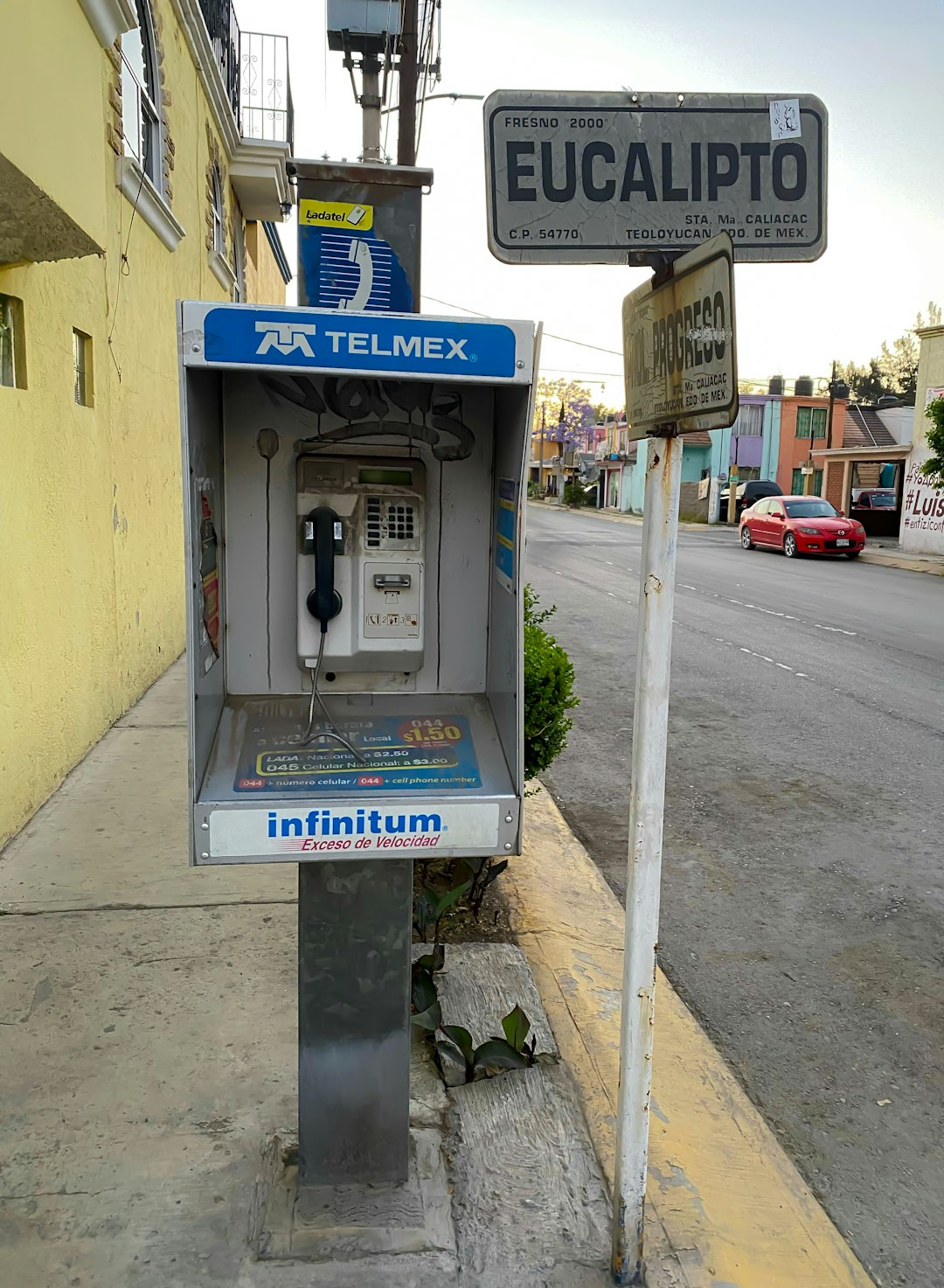
Local media plays a pivotal role in educating communities about spam call scams, especially in Connecticut where strict spam call laws are enforced by local authorities. Newspapers, radio shows, and television news segments dedicated to consumer protection often highlight emerging scams, providing essential insights into how these fraudulent activities operate. For instance, recent reports have shown that spam call law firms in Connecticut have been targeting residents with false promises of legal representation, emphasizing the need for community vigilance.
Media outlets serve as a powerful tool for raising awareness by breaking down complex issues into understandable, digestible information. They can explain the intricacies of spam call laws, such as those enacted in Connecticut, which make it illegal for callers to use automated or prerecorded messages without prior express consent. By sharing real-life examples and success stories of fraud prevention, media outlets inspire action among viewers and readers. For example, a local news segment featuring an interview with a consumer who successfully fought off a spam call scam could motivate others to report suspicious activities and protect themselves.
Moreover, local media can foster community engagement by providing platforms for discussions and Q&A sessions with experts, including law enforcement officials and representatives from consumer protection agencies. These interactions empower residents to recognize and report spam calls, contributing to a collective effort to combat these scams. Regular updates on new spam call trends and countermeasures ensure that Connecticut communities remain vigilant, leveraging local media’s ability to connect and educate effectively.
Combating Scams: How Spam Call Law Firms Connecticut Help

Spam call law firms Connecticut play a pivotal role in combating evolving call scams, which have become a significant nuisance for residents and businesses alike. With the proliferation of advanced technologies, these law firms specialize in tracking down and prosecuting the perpetrators behind these fraudulent activities. They employ sophisticated techniques to identify spam call patterns, analyze data, and gather evidence, often collaborating with regulatory bodies to enhance state-level protections.
One of their key strategies involves monitoring high-volume call campaigns targeting specific areas, enabling them to quickly recognize suspicious activity. For instance, a notable trend has been calls claiming to be from government agencies or financial institutions, demanding immediate action and sensitive personal information. These law firms work proactively to educate the public about such scams, providing regular updates and resources through their websites and community outreach programs. They also assist victims in reporting these incidents to the relevant authorities, helping to build a comprehensive database of scammer numbers.
Moreover, spam call law firms Connecticut offer practical advice on how individuals can protect themselves. This includes educating users about caller ID spoofing, encouraging the use of blocking apps, and promoting caution when sharing personal details over the phone. By combining legal enforcement with public awareness campaigns, these firms are fostering a culture of digital literacy and security, ensuring that Connecticut residents are better equipped to navigate the complex landscape of modern call scams.
About the Author
Dr. Emma Johnson is a renowned telecommunications expert and lead researcher with over 15 years of experience in local media strategies. She holds a Ph.D. in Media Studies from Stanford University and is certified in Data Analytics for Marketing. Emma has published groundbreaking research on spam call scams, contributing articles to Forbes and presenting at the Global Communication Summit. Her expertise lies in leveraging local media to enhance public awareness and combat evolving fraud schemes.
Related Resources
1. Federal Trade Commission (FTC) (Government Portal): [Offers official guidance and statistics on spam call scams, providing valuable insights for media awareness.] – https://www.ftc.gov/
- Pew Research Center (Academic Study): [Presents in-depth research on public attitudes towards media and technology, including sections dedicated to local news and online misinformation.] – https://www.pewresearch.org/
- University of Oxford: Cyber Security Centre (Internal Guide): [Provides educational resources and expert insights on cyber threats, offering a comprehensive understanding of spam call scams from a technical perspective.] – https://www.ox.ac.uk/cyber-security/
- National Association of Attorneys General (NAAG) (Industry Association): [Features resources and reports on consumer protection efforts, including strategies to combat spam calls, making it an invaluable reference for media and legal professionals.] – https://www.naag.org/
- Media Literacy Now (Community Organization): [A non-profit dedicated to promoting media literacy, offering practical guides and articles on recognizing and reporting spam calls, empowering local communities.] – https://medialiteracynow.org/
- Harvard Business Review (HBR) (Business Magazine): [Explores the business side of misinformation and its impact on society, including strategies for local media outlets to tackle spam call scams effectively.] – https://hbr.org/